NVIDIA’s ACE “autonomous game characters” are no longer just a stage demo: the first real implementations have landed in shipping games, and they’re redefining what “NPC interaction” can mean in 2025.
After a year of prototypes, NVIDIA says its ACE stack is now powering agentic characters in KRAFTON’s life sim inZOI (via “Smart Zoi”) and NetEase’s NARAKA: BLADEPOINT Mobile PC Version (via an on-device AI teammate), with bigger integrations—including PUBG: BATTLEGROUNDS’ “PUBG Ally”—positioned as the next wave. The shift is simple to describe but hard to pull off: move beyond scripted dialog trees toward characters that can interpret context, make a plan, and take actions moment-to-moment.
What’s actually new (and why it’s different from “chatty NPCs”)
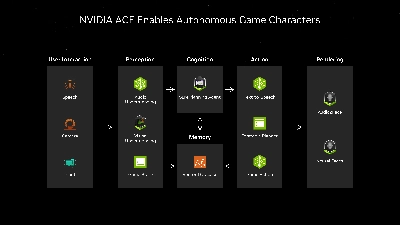
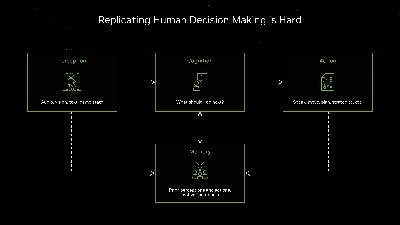
Most “AI NPC” talk over the last two years has boiled down to one feature: natural-language conversation. ACE is trying to make that conversation useful by binding language to perception and action.
Instead of being a lore kiosk, an ACE character is meant to:
- Track a goal (help you win a fight, find loot, keep a schedule, protect an area)
- Update plans when the world changes (new enemy, low ammo, missing quest item)
- Act inside the game (move, ping, swap gear, drive, assist another NPC)
That last bullet is the inflection point. “Agentic” isn’t a synonym for “talks”—it’s the promise that the character will do something because it understood the situation, not because the developer pre-wrote the exact trigger.

The first shipping wave: inZOI and NARAKA
inZOI: “Smart Zoi” turns background citizens into goal-driven agents
In inZOI, ACE isn’t a single companion—it’s a switch that upgrades parts of the city. Players can enable an experimental “Smart Zoi” setting and then watch NPCs adapt their behavior based on personality and day-to-day experiences. NVIDIA’s own example: a considerate Zoi might give directions to someone who’s lost, or offer food to a hungry stranger.
Two design details matter here:
- You can see the NPC’s “inner thoughts” as it decides what to do next.
- You can nudge behavior with free-form text, effectively rewriting an NPC’s priorities in the moment.
NVIDIA says the Smart Zoi system is governed by an on-device small language model—a ~0.5B-parameter Mistral NeMo Minitron variant—accelerated on GeForce RTX GPUs. That’s the tradeoff that makes this approach plausible: smaller models, lower latency, and fewer round-trips to the cloud. (inZOI entered Early Access in late March 2025.)
Why it matters: life sims live or die on emergent moments. “Smarter” citizens turn background noise into story fuel.
NARAKA: an on-device teammate that behaves like a squadmate
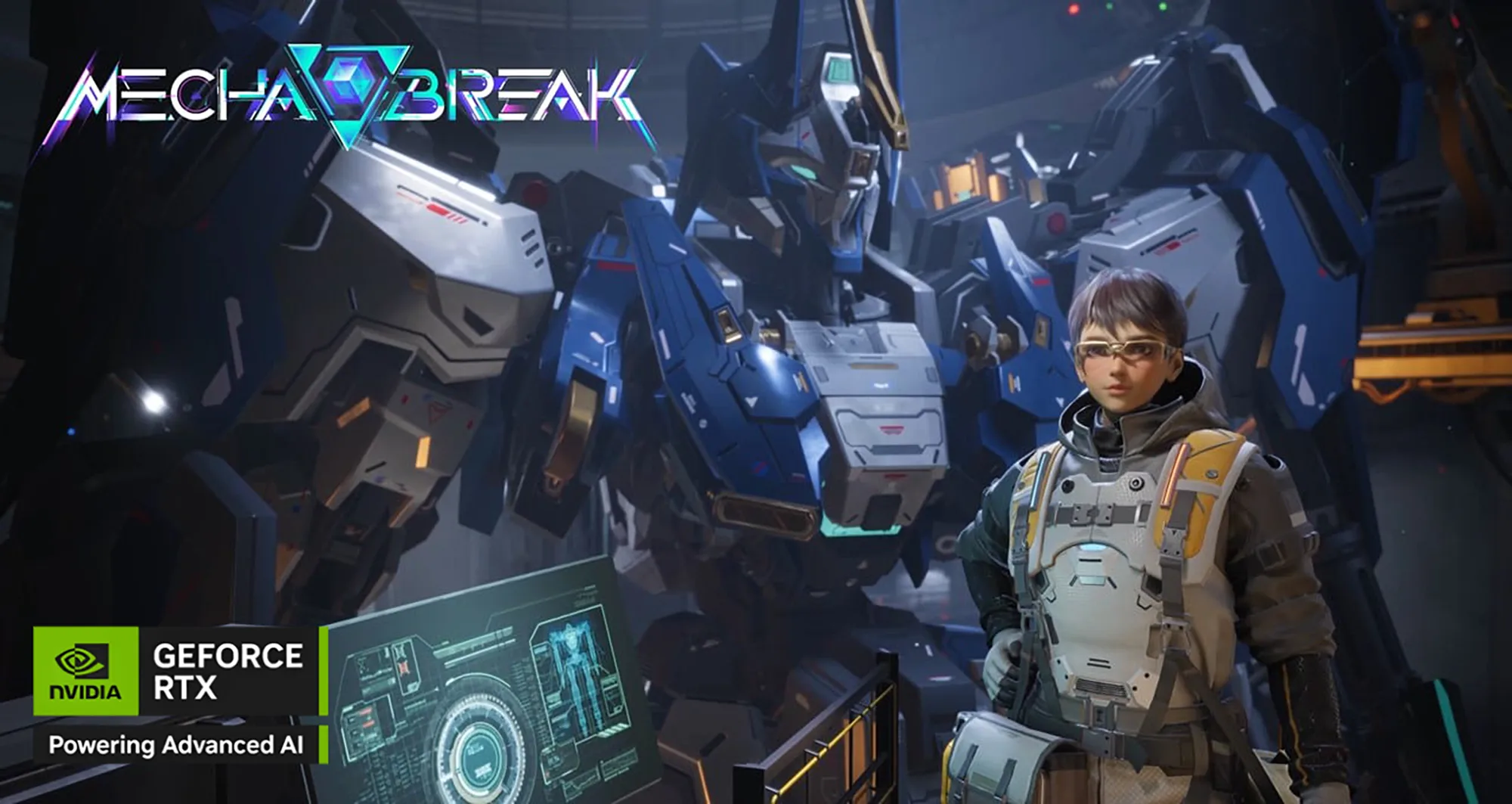
NetEase’s NARAKA: BLADEPOINT Mobile PC Version takes the opposite approach: rather than sim citizens, it drops an AI teammate into a competitive-style loop. NVIDIA says the teammate can join Free Training, fight alongside you, fetch specific items, swap gear, and suggest skills to unlock—running locally on the device.
If it works as described, it’s a quality-of-life upgrade for anyone who plays off-hours, hates solo queue, or wants reps without relying on random teammates. It’s also a different lever for difficulty: instead of buffing enemies or changing loot tables, developers can tune how much “help” the AI squadmate provides. (NVIDIA has also said the feature is planned to roll into NARAKA: BLADEPOINT on PC later in 2025.)
PUBG Ally and the rise of the “co-playable character”
KRAFTON’s framing for PUBG: BATTLEGROUNDS is telling: it’s not an NPC—it’s a Co-Playable Character (CPC). In its CES 2025 messaging, KRAFTON describes CPCs as AI companions designed to cooperate with players, using an on-device small language model built with NVIDIA ACE.
NVIDIA’s own description of “PUBG Ally” reads like a human squadmate checklist: communicate using PUBG-specific lingo, recommend tactics, find and share loot, drive vehicles, and fight other players. NVIDIA has also named the model class it’s betting on here—Mistral-Nemo-Minitron-8B-128k-instruct—suggesting we’re going to see more game-tuned, mid-size “brains” rather than huge general-purpose LLMs.
This is where the hard questions show up fast:
- Fairness: is an always-available teammate an advantage, even if it’s limited to certain modes?
- Comms: how do voice-driven commands stay fast without turning every match into a microphone test?
- Trust: will players rely on the AI’s callouts—or ignore it like today’s bots?
What this means for developers: smaller models, tighter loops, fewer cutscenes
One reason ACE is suddenly showing up in real games is that NVIDIA is leaning into small language models and on-device inference. In late 2025, NVIDIA expanded ACE to support the open-source Qwen3-8B model via its In-Game Inferencing (IGI) SDK plugin, alongside updates aimed at keeping AI inference from stepping on graphics performance (including new Vulkan-focused features and Multi-LoRA support).
Translation: the “NPC brain” is getting smaller, faster, and easier to integrate into a normal game pipeline—so it’s not limited to cloud-only experiments.
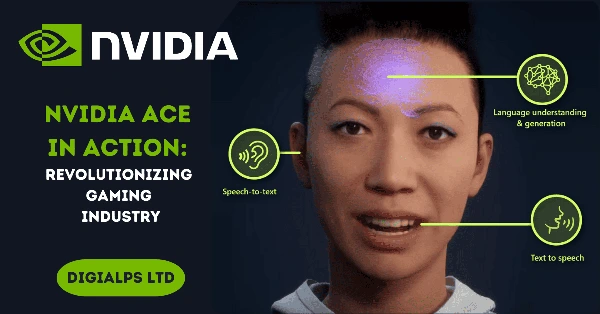
And it’s not just about what characters say. ACE also bundles the less glamorous (but crucial) work of making characters look alive—things like facial animation and lip sync—so “talking” doesn’t feel like a mannequin reading subtitles.



Availability: where you can try ACE-powered characters
- inZOI (KRAFTON) — Smart Zoi is positioned as an experimental feature in the life sim’s Early Access build. (Steam)
- NARAKA: BLADEPOINT Mobile PC Version (NetEase) — an ACE-powered on-device AI teammate is available as a local feature; region availability may vary. (Official site)
- PUBG: BATTLEGROUNDS (KRAFTON) — “PUBG Ally” has been demoed as a CPC concept and is part of the PUBG franchise’s roadmap. (Steam)
If you’re curious about the hardware side of this trend—especially as more games mix AI inference with real-time rendering—our GPU coverage is a good starting point: see our NVIDIA RTX 5090 review and the wider GPU hub.
The bottom line
ACE-backed autonomous characters are finally moving from “cool demo” to “feature you can toggle on,” and the shift is bigger than better dialog. The real change is agency—NPCs that can decide, adapt, and act in ways that are legible to players.
Near-term wins are obvious (better companions, richer sims, fewer dead lobbies). The long-term challenge is consistency: the more freedom a character has, the more developers need guardrails to keep the game fun, fair, and predictable enough to master.
For more on where AI is heading across games and gear, keep an eye on our AI news hub.
 Terms | Privacy | Feedback