Cestus 335
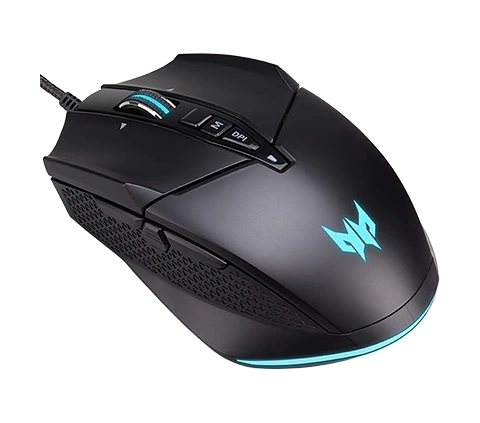
SnapshotProduct Images
Acer Cestus 335 Gaming mouse Review, Ratings, and Specifications
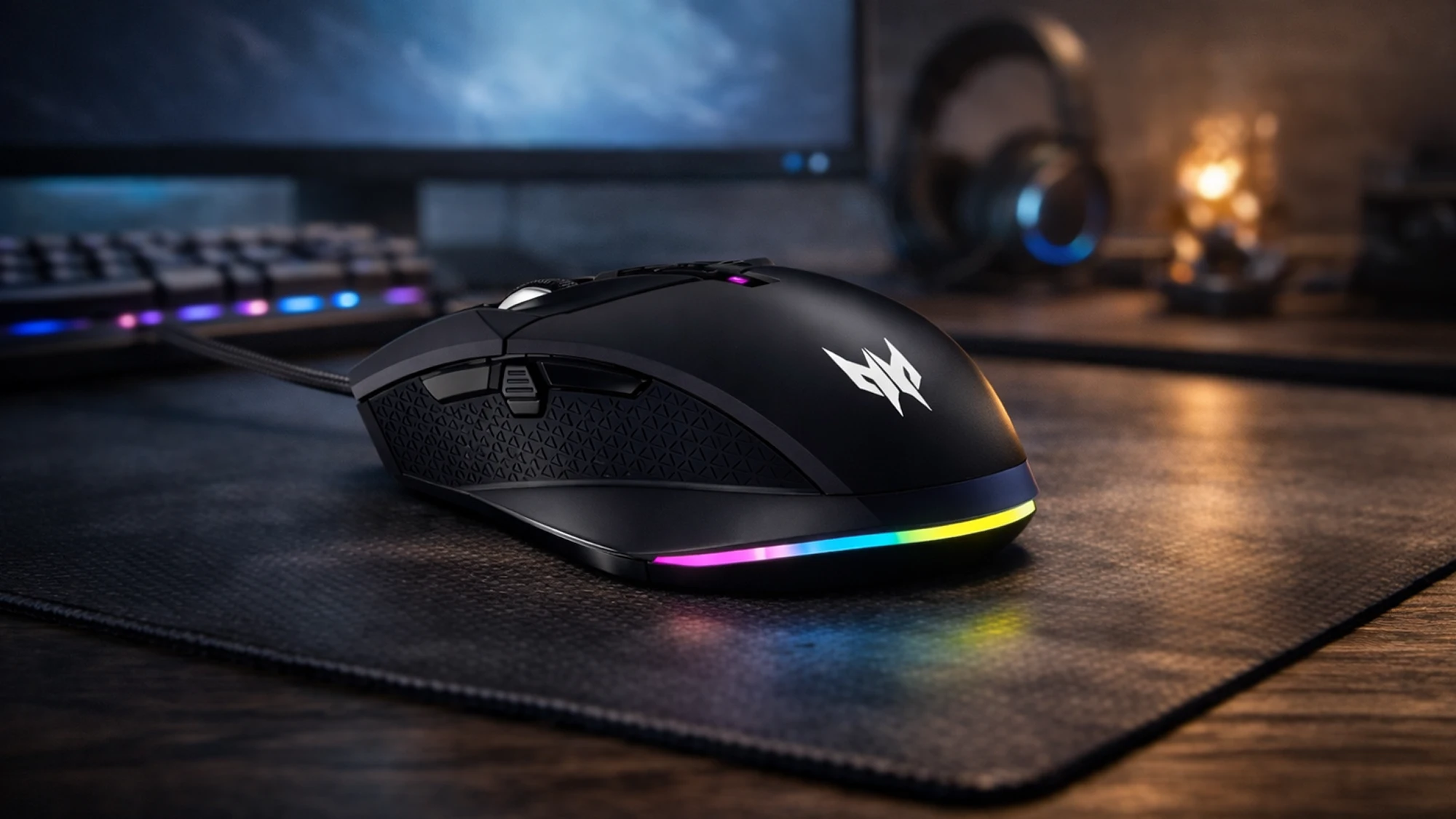
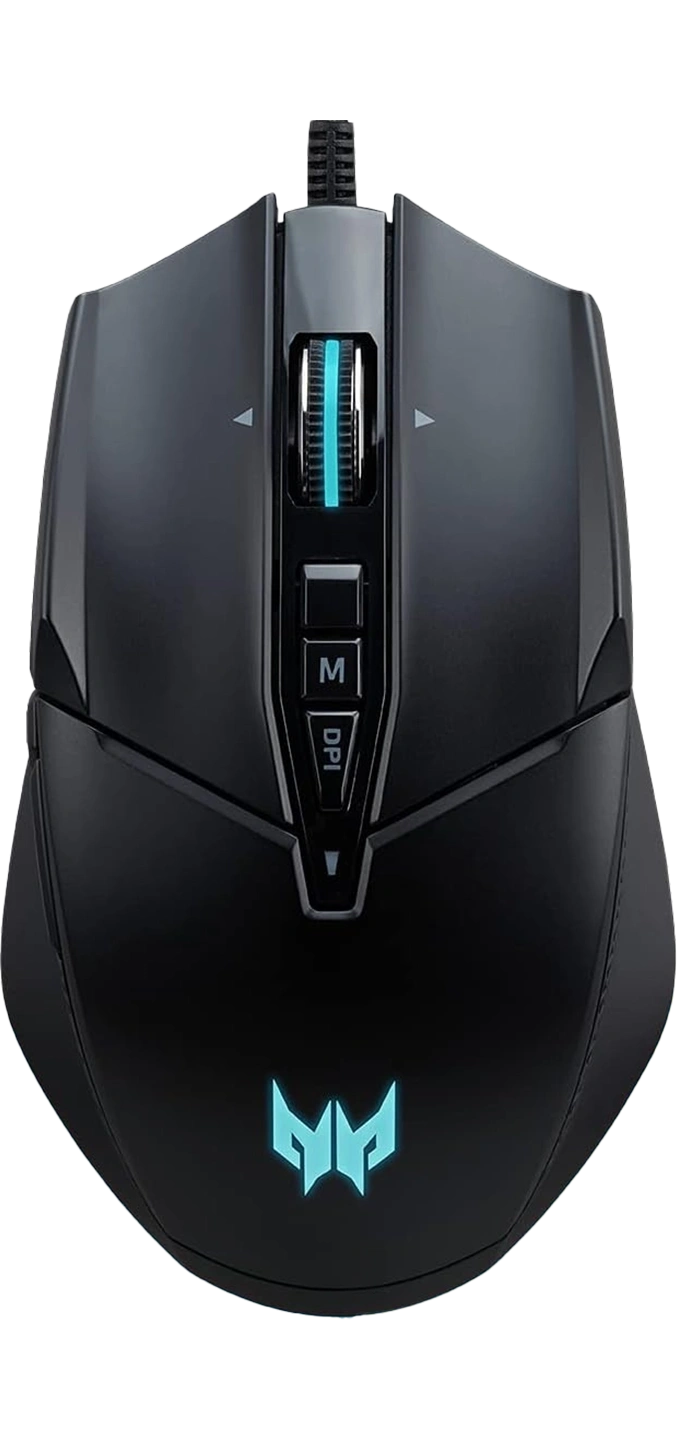
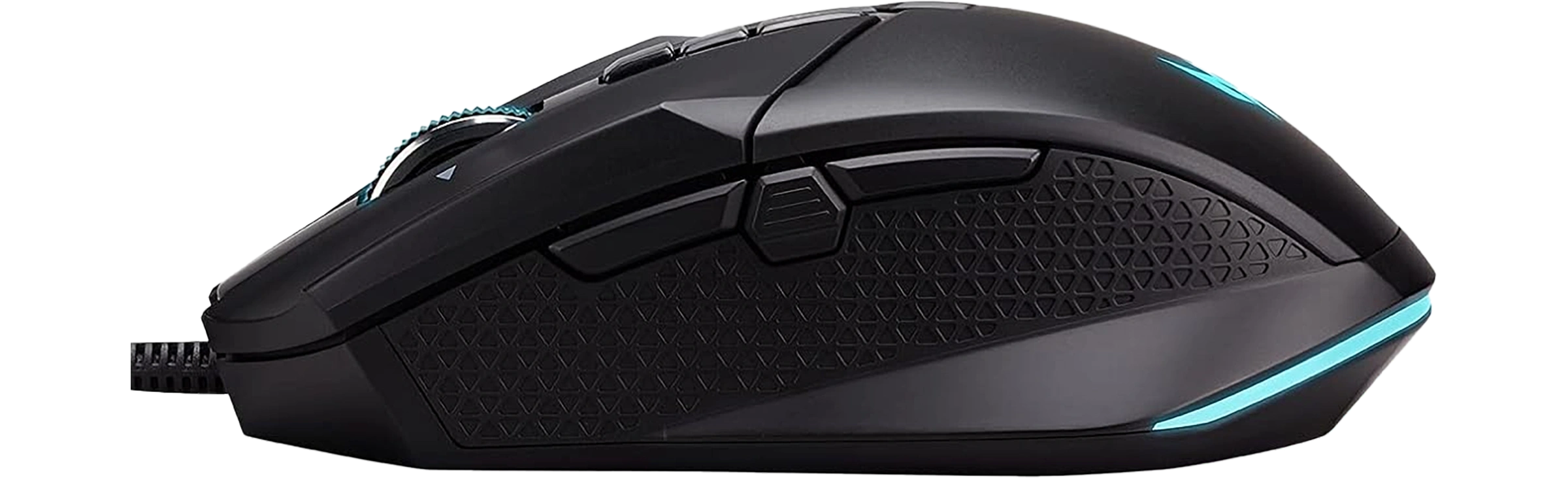
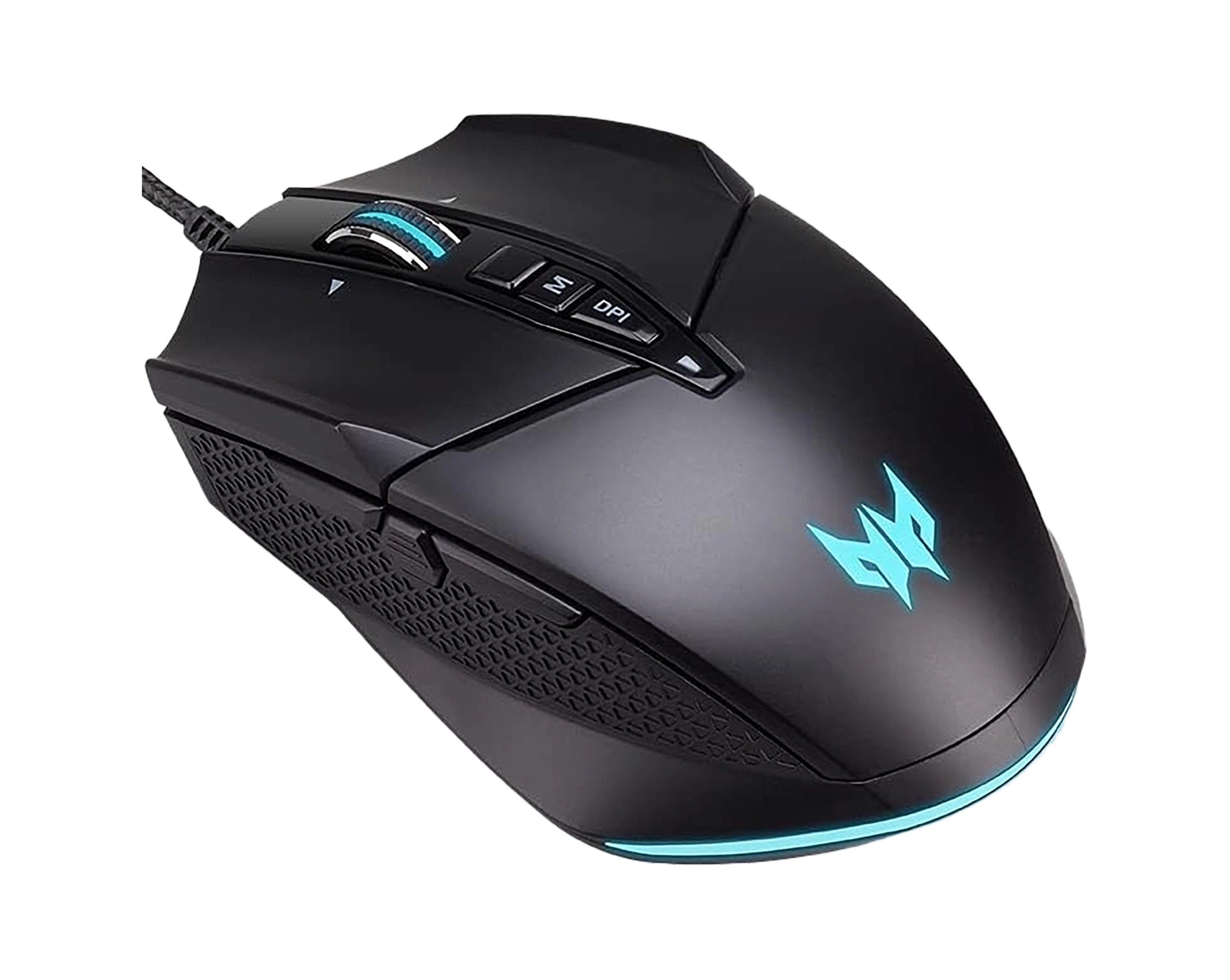
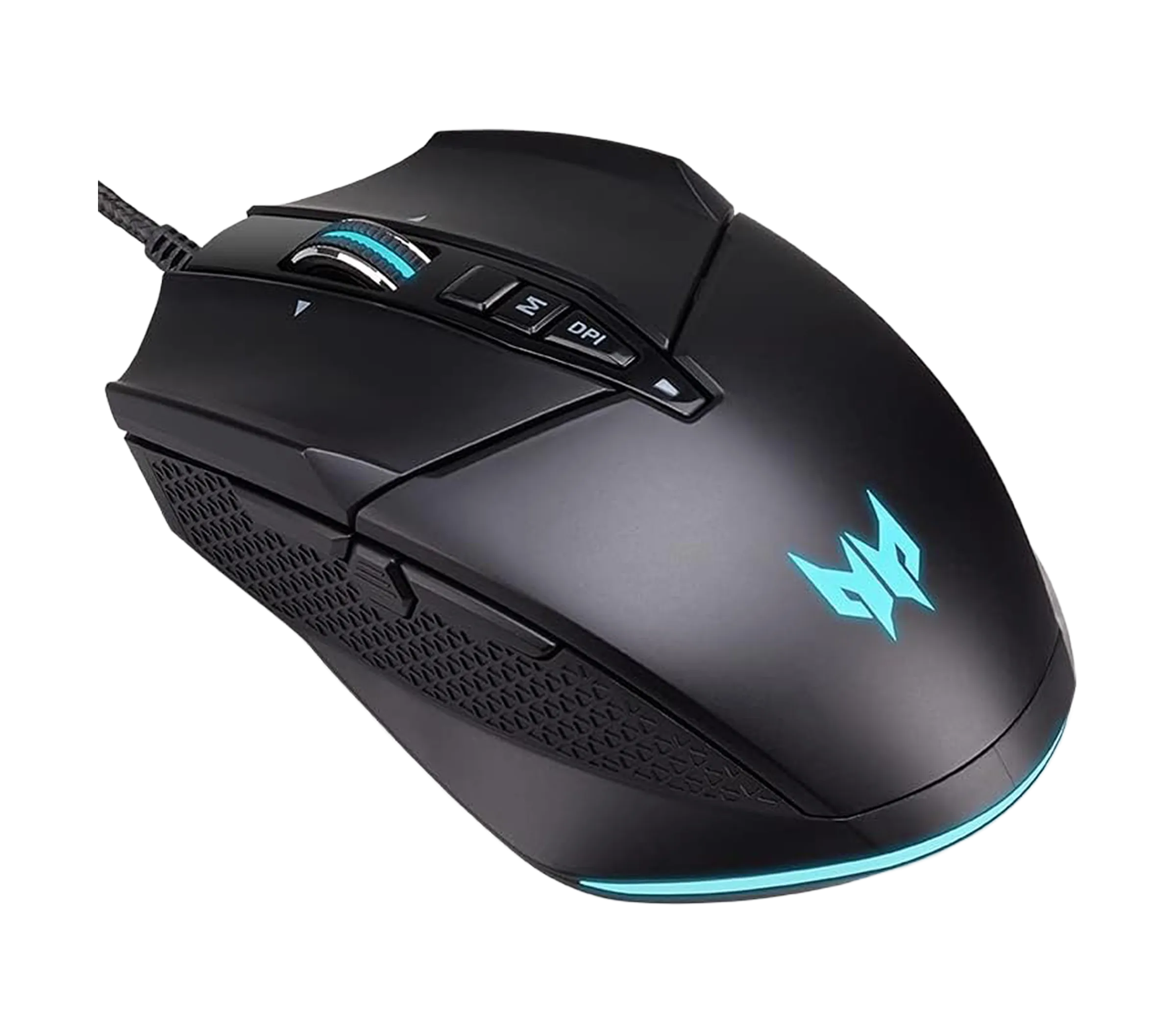
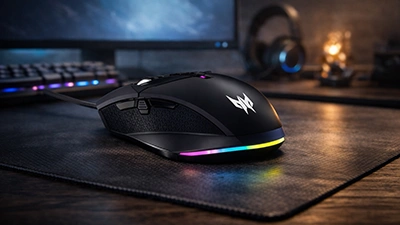
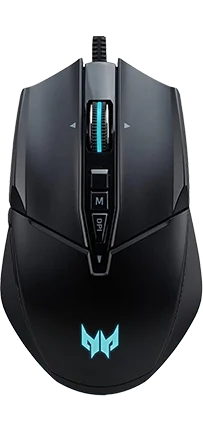
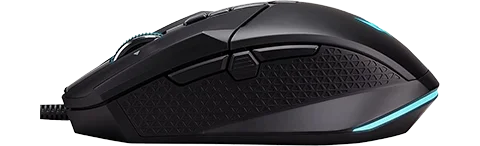
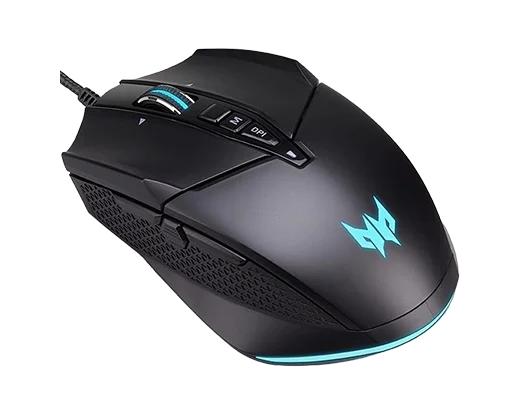
Browse Acer Cestus 335 product images. Use the arrow buttons to change images, or select a thumbnail.



Comparisons
Best Deals
Pros & Cons
Pros
- 2000 Hz polling rate boosts responsiveness for competitive play
- PixArt 3370 sensor delivers reliable 400 IPS tracking
- 10 programmable buttons enhance MMO/MOBA customization
- Onboard memory stores 5 profiles for seamless setup switches
- Wired design ensures consistent low-latency performance
- Symmetrical shape fits palm and claw grips well
- Matte coating provides a secure, sweat-resistant grip
Cons
- Left-click durability issues reported after heavy use
- Comfort lacks for larger hands in prolonged sessions
What We Think
Overview
The Acer Cestus 335, released in September 2021, is priced around $80 and targets pro-level gamers, particularly those playing MMO and MOBA games. It offers a high 2000 Hz polling rate for responsive cursor movement and a PixArt 3370 sensor with up to 19,000 DPI and 400 IPS, meeting pro tracking standards. Its design supports palm and claw grips, making it versatile for different hand sizes.
Design and Features
The mouse weighs 90.71 grams, which is heavier than ultralight esports mice, potentially less ideal for FPS players. Its symmetrical, right-handed design suits medium to large hands, with a matte coating and PTFE feet for decent glide. The 10 programmable buttons, including 2 side and 3 middle buttons, cater to extensive customization, with onboard memory for 5 profiles. However, some users report discomfort for larger hands and issues with the scroll wheel causing extra scrolling.
Dimensions and Weight
| Dimension | Value |
|---|---|
| Length | 124.8 mm |
| Width | 62.4 mm |
| Height | 38 mm |
| Weight | 74 g |
Key Takeaways
- High 2000 Hz polling rate ensures responsive gaming, perfect for competitive play
- Extensive button customization with 10 programmable buttons, ideal for complex game commands
- Versatile grip options support both palm and claw styles, fitting medium to large hands
Comparisons and Considerations
Compared to the Logitech G502 Hero, the Cestus 335 offers a higher polling rate and is lighter, better for responsiveness. The Razer Deathadder V3 is lighter with a superior sensor but has fewer buttons, suiting FPS more. The Corsair Sabre RGB Pro has a higher polling rate and better sensor, but fewer buttons, ideal for genre versatility.
Consider the Cestus 335 for MMO/MOBA players who value responsiveness and customization, but be aware of potential durability issues.
Performance Breakdown ?
Build
SensorWhat is a Sensor? A sensor in a gaming mouse is the component responsible for detecting movement and translating it into cursor movement on your screen. Different sensors like PMW, PAW, Hero, and others vary in technology and performance metrics.Distribution:
Each bar shows how many products received that score; the highlighted bar is this item’s score.01/2012 05/2025Why Does It Matter? The type of sensor directly affects the tracking accuracy, speed, responsiveness, and sometimes power efficiency of a mouse. High-quality sensors can provide a competitive edge by ensuring precise cursor control, which is crucial in gaming for accuracy in aiming or quick movements.Common Sensors:PMW (PixArt Maximum Performance Wireless): Known for high performance in wired setups, offering excellent tracking precision and speed.PAW (PixArt Adaptive Wireless): Focused on power efficiency, ideal for wireless mice, with good tracking capabilities and speed.Hero (Logitech): Renowned for its power efficiency and high accuracy, suitable for both wired and wireless applications.TrueMove Pro (SteelSeries): Provides advanced stabilization for precise tracking on various surfaces.Focus Pro (Razer): Designed for professional gaming with top-tier performance metrics.Owl-Eye (ROCCAT): Custom sensor with features tailored for gaming precision.Choosing the Right Sensor: When selecting a mouse, consider the sensor based on your gaming needs. If you're into competitive gaming, look for sensors with high DPI, IPS, and low latency like PMW or Focus Pro. For longevity in wireless setups, sensors like PAW or Hero are preferable due to their power efficiency. Also, consider your preference for wired vs. wireless, as some sensors are optimized for specific use cases.
Distribution:
PixArt PMW3370
WeightWhat is Weight? Weight refers to the mass of a gaming mouse, measured in grams, affecting its feel and maneuverability.Distribution:
Each bar shows how many products received that score; the highlighted bar is this item’s score.147 36Why Does It Matter? Lighter mice enable faster movements, ideal for competitive gaming, while heavier mice offer stability, suiting precise or controlled playstyles.
Distribution:
90.71 g
SkatesMouse Feet Material (Skates): These pads under your mouse significantly influence glide, performance, and durability.Distribution:
Each bar shows how many products received that score; the highlighted bar is this item’s score.PTFE (Colored/Mixed): Moderate friction coefficient - Balances speed with a touch of added control, often seen in stock mouse setups for its versatility. The addition of dyes or other materials might slightly increase friction compared to virgin-grade, but it also enhances durability and offers color options for personalization.PTFE (Virgin-Grade): Very low friction coefficient - Pure PTFE provides minimal resistance, allowing for a seamless glide across your mousepad. This material is favored for its purity, which results in less wear over time, maintaining its glide properties longer than colored PTFE.Glass Skates (Glossy Aluminosilicate): Lowest friction coefficient - Offers an incredibly smooth glide, ideal for quick, precise movements in gaming. Their durability is unmatched, ensuring consistent performance over time, even under heavy use.Glass Skates (Matte Aluminosilicate): Low friction coefficient - Strikes a balance between speed and control, offering a tactile feedback not found in glossy finishes. The matte surface reduces the initial stickiness sometimes experienced with glossy skates, providing gamers with better control for micro-adjustments.UHMWPE: Moderate to high friction coefficient - Known for its durability, it provides a controlled glide, ideal for gamers who prefer precision.Ceramic: Higher friction coefficient - Durable and suited for hard surfaces, these skates offer control-focused glide characteristics.Sapphire: Variable friction coefficient - Luxury option with exceptional durability and glide, though performance can vary with surface treatment.Thickness and Shape: These aspects affect how your mouse interacts with the surface. Thicker skates can increase lift-off distance but may last longer, while shape influences glide smoothness.Installation and Maintenance: Proper installation involves cleaning, precise alignment of new skates, and sometimes heating for old skate removal. Regular maintenance ensures optimal glide performance.
Distribution:
PTFE (Black-Dyed)
Hardware
PollingWhat is Polling Rate? Polling rate, measured in Hz, is how often a mouse reports its position to the computer.Distribution:
Each bar shows how many products received that score; the highlighted bar is this item’s score.125 8000Why Does It Matter? Higher polling rates provide smoother, more responsive tracking, critical for competitive gaming where precision and speed are key.
Distribution:
DPIWhat is DPI? Dots Per Inch (DPI) measures the sensitivity of a mouse, determining how far the cursor moves per inch of physical movement.Distribution:
Each bar shows how many products received that score; the highlighted bar is this item’s score.4200 44000Why Does It Matter? Higher DPI allows faster cursor movement, ideal for high-resolution displays or fast-paced gaming, while lower DPI offers precision for detailed tasks.
Distribution:
IPSWhat is IPS? Inches Per Second (IPS) indicates the maximum speed at which a mouse sensor can move while still accurately tracking.Distribution:
Each bar shows how many products received that score; the highlighted bar is this item’s score.48 888Why Does It Matter? Higher IPS ensures reliable tracking during rapid movements, essential for fast-paced gaming where quick swipes are common.
Distribution:
AccelerationWhat is Acceleration? Acceleration measures how quickly a mouse sensor can reach its maximum tracking speed, expressed in g-forces (g).Distribution:
Each bar shows how many products received that score; the highlighted bar is this item’s score.10 88Why Does It Matter? Higher acceleration ensures accurate tracking during fast movements, vital for dynamic gaming scenarios requiring rapid cursor shifts.
Distribution:
Performance
Specifications
- Price (MSRP) $79.99
- SKU / Part # GP.MCE11.01Q
- Color(s)
- Design(s) standard
- Weight 90.71 g / 3.20 oz
- Material plastic
- Coating matte
- Feet Material PTFE (Black-Dyed)
- Lighting 3 zone (rgb)
- Release Date 09/2021
General Features
- Connection wired
- Connectivity n/a
- Computer Side Connector USB-A
- Mouse Side Connector n/a
- Cable Type braided
- Paracord
- Battery Hours n/a
Connectivity
- Length 119.38 mm / 4.70 in
- Width 73.66 mm / 2.90 in
- Height 40.64 mm / 1.60 in
Dimensions
- Form Factor right
- Shape symmetrical
- Hump middle
- Front Flare outward
Shape & Form
- Adjustable Weight
- Honeycomb Frame
- Silent Clicks
Extra Features
- Sensor PixArt PMW3370
- Sensor Type optical
- Flawless Sensor
- Sensor Latency -
- Polling Rate 2000 Hz
- DPI 19000 k
- IPS 400
- Acceleration 50 g
- Lift-off Distance -
- Lift-off Settings -
- Motion Sync -
- Hardware Acceleration
- Nvidia Reflex
- Smoothing
Sensor Specs
- Switch Type -
- Switches -
- Hot Swappable
- Click Latency -
- Click Force -
Switch Specs
- MCU -
- Side Button(s) 2
- Middle Button(s) 3
- Programmable Button(s) 10
- Tilt Wheel
- Adjustable Scroll Wheel
- Onboard Memory (5)
- Profile Switching
Control & Function
Video Spotlight
Similar


Recommended
 Terms | Privacy | Feedback