Everest 60
SnapshotProduct Images
Mountain Everest 60 Gaming keyboard Review, Ratings, and Specifications
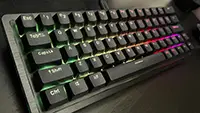
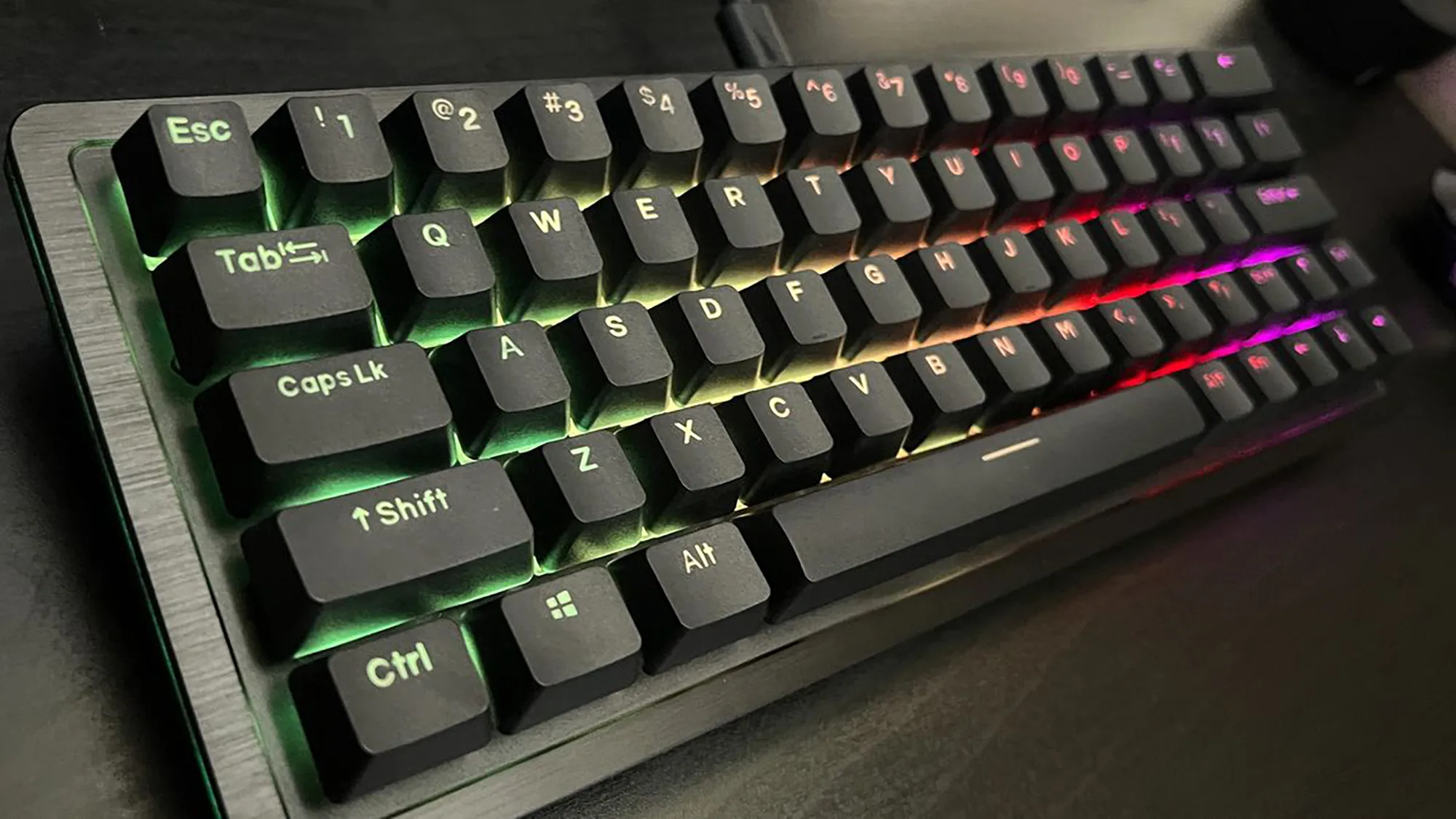
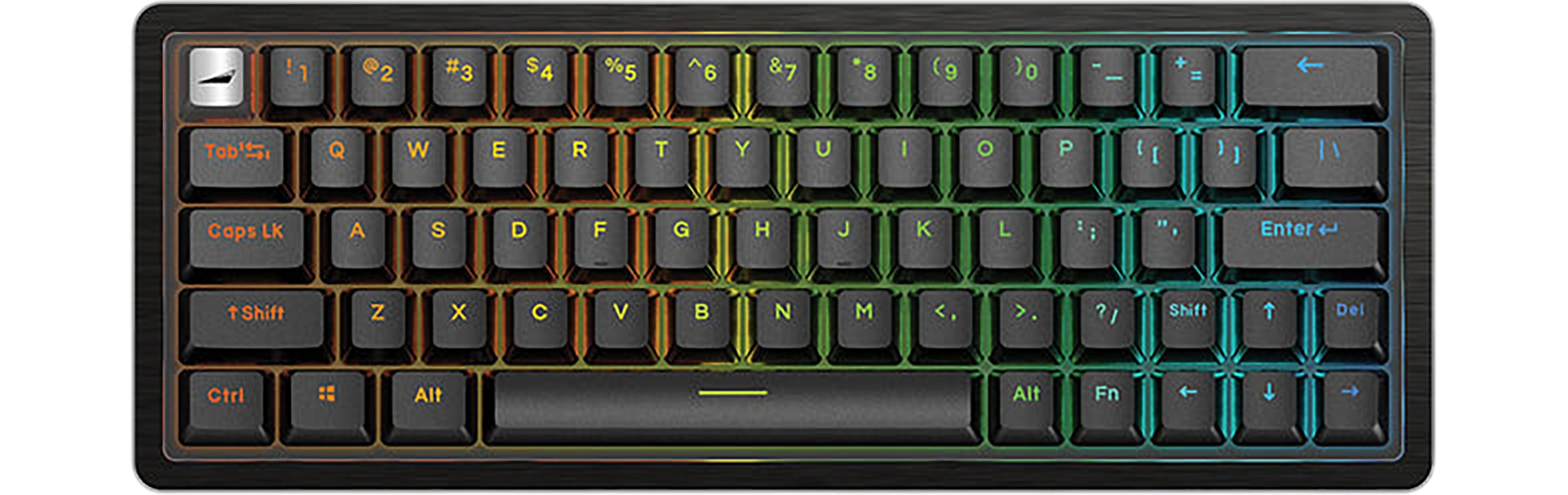
Browse Mountain Everest 60 product images. Use the arrow buttons to change images, or select a thumbnail.

Comparisons
Best Deals
Pros & Cons
Pros
- 4KHz wireless/8KHz wired polling minimizes input lag for competitive responsiveness
- 59g hole-free design balances durability with ultra-light maneuverability
- Magnetic-force optical switches enable rapid actuation with 0.0ms debounce delay
- Additive-free PTFE feet deliver frictionless glide across hybrid/hard pads
- 120-hour battery life at 1KHz outperforms most mice Ergonomic ambidextrous shape supports palm/claw grips across hand sizes
- 650 IPS tracking maintains precision during aggressive flicks.
Cons
- Premium Price Tag: At $149.99, it competes with flagship esports mice but lacks extra premium features for casual users
- Side Buttons Feel Flimsy: Slightly hollow, mushy side buttons may disappoint players who rely on them for quick actions
- Matte coating becomes slippery during extended sessions requiring grip adjustments
- Shape May Not Suit Everyone: Symmetrical, low-profile design suits claw and fingertip grips but lacks ergonomic palm support
What We Think
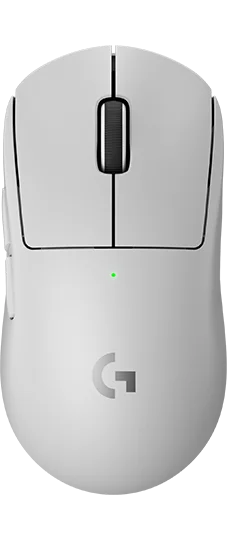
The Alienware Pro Wireless Gaming Mouse is a powerhouse built for competitive FPS and esports gaming, going head-to-head with top-tier mice like the Logitech G Pro X Superlight 2 , Razer Viper V2 Pro, and Pulsar X2. At just 59g, it’s ultra-light while maintaining a solid, hole-free chassis, making it an excellent option for serious gamers who demand speed, precision, and control. Equipped with a PixArt 3395 sensor (26,000 DPI, 650 IPS, 50G acceleration), optical switches, and 4KHz wireless / 8KHz wired polling, it delivers unmatched tracking accuracy with virtually no input lag.
In fast-paced shooters like CS2, Valorant, and Apex Legends, the sub-1ms click latency and high polling rate translate to snappy, immediate responses, allowing for pinpoint-accurate flick shots. Tracking is buttery smooth, aided by the large PTFE feet that provide an effortless glide across mousepads. The shape, slightly higher-profile than some ultralights, works exceptionally well for claw and palm grip players, though pure fingertip users might find it less ideal. The Magnetic-Force optical switches deliver a satisfying, crisp click with zero debounce delay, perfect for rapid fire and tap shooting.
However, it’s not without its flaws. The side buttons feel hollow, lacking the satisfying tactility of its competitors. Its matte shell, while premium, can become slippery, particularly in intense gaming sessions. At $149.99, it demands a premium, but for those who prioritize pure competitive performance, the Alienware Pro Wireless delivers. It’s an ultra-fast, no-nonsense FPS mouse that brings elite-level tracking and responsiveness to players who demand the absolute best.
Performance Breakdown ?
Build
SensorWhat is a Sensor? A sensor in a gaming mouse is the component responsible for detecting movement and translating it into cursor movement on your screen. Different sensors like PMW, PAW, Hero, and others vary in technology and performance metrics.Distribution:
Each bar shows how many products received that score; the highlighted bar is this item’s score.01/2014 04/2022Why Does It Matter? The type of sensor directly affects the tracking accuracy, speed, responsiveness, and sometimes power efficiency of a mouse. High-quality sensors can provide a competitive edge by ensuring precise cursor control, which is crucial in gaming for accuracy in aiming or quick movements.Common Sensors:PMW (PixArt Maximum Performance Wireless): Known for high performance in wired setups, offering excellent tracking precision and speed.PAW (PixArt Adaptive Wireless): Focused on power efficiency, ideal for wireless mice, with good tracking capabilities and speed.Hero (Logitech): Renowned for its power efficiency and high accuracy, suitable for both wired and wireless applications.TrueMove Pro (SteelSeries): Provides advanced stabilization for precise tracking on various surfaces.Focus Pro (Razer): Designed for professional gaming with top-tier performance metrics.Owl-Eye (ROCCAT): Custom sensor with features tailored for gaming precision.Choosing the Right Sensor: When selecting a mouse, consider the sensor based on your gaming needs. If you're into competitive gaming, look for sensors with high DPI, IPS, and low latency like PMW or Focus Pro. For longevity in wireless setups, sensors like PAW or Hero are preferable due to their power efficiency. Also, consider your preference for wired vs. wireless, as some sensors are optimized for specific use cases.
Distribution:
PixArt PMW3395
WeightMissing tooltip for weightDistribution:
Each bar shows how many products received that score; the highlighted bar is this item’s score.133 59
Distribution:
59 g
Hardware
PollingHow often the mouse reports its position to the computer, measured in Hz (higher values mean smoother and more responsive tracking).Distribution:
Each bar shows how many products received that score; the highlighted bar is this item’s score.125 8000
Distribution:
DPIDots Per Inch (DPI) setting determines the sensitivity of the mouse. Higher DPI allows for faster cursor movement.Distribution:
Each bar shows how many products received that score; the highlighted bar is this item’s score.4200 26000
Distribution:
IPSInches Per Second (IPS) indicates how fast the mouse sensor can move and still track accurately.Distribution:
Each bar shows how many products received that score; the highlighted bar is this item’s score.48 650
Distribution:
AccelerationAcceleration measures how quickly the mouse can reach its maximum speed, affecting accuracy in fast-paced games, measured in g's.Distribution:
Each bar shows how many products received that score; the highlighted bar is this item’s score.10 50
Distribution:
Performance
Click ForceThe amount of force (in grams) required to actuate the mouse buttons, affecting comfort and click feel.Distribution:
Each bar shows how many products received that score; the highlighted bar is this item’s score.70 60
Distribution:
60 g
Switch LatencyHow quickly the mouse registers and transmits a click, measured in milliseconds. Lower latency helps improve reaction time in gaming or other applications.Distribution:
Each bar shows how many products received that score; the highlighted bar is this item’s score.14 1
Distribution:
1 ms
Lift-OffThe measured lift-off distance (in mm) before the sensor stops tracking. Useful for gamers who often lift the mouse.Distribution:
Each bar shows how many products received that score; the highlighted bar is this item’s score.5 0
Distribution:
1 mm
Specifications
- Price (MSRP) $149.99
- SKU / Part # -
- Color(s) -
- Design(s) -
- Weight 59.00 g / 2.08 oz
- Material plastic
- Coating matte
- Feet Material PTFE (Virgin-Grade)
- Lighting none
- Release Date 01/2024
General Features
- Connection hybrid
- Connectivity 2.4GHz Dongle
- Computer Side Connector USB-A
- Mouse Side Connector USB-C
- Cable Type braided
- Paracord
- Battery Hours 120
Connectivity
- Length 124.50 mm / 4.90 in
- Width 63.50 mm / 2.50 in
- Height 40.60 mm / 1.60 in
Dimensions
- Form Factor right
- Shape symmetrical
- Hump middle
- Front Flare flat
Shape & Form
- Adjustable Weight
- Honeycomb Frame
- Silent Clicks
Extra Features
- Sensor PixArt PMW3395
- Sensor Type optical
- Flawless Sensor
- Sensor Latency -
- Polling Rate 8000 Hz
- DPI 26000 k
- IPS 650
- Acceleration 50 g
- Lift-off Distance 1 mm
- Lift-off Settings adjustable
- Motion Sync
- Hardware Acceleration
- Nvidia Reflex
- Smoothing
Sensor Specs
- Switch Type optical
- Switches Omron D2FP-FN2
- Hot Swappable
- Click Latency 1.3 Wireless, 1.0 wired (ms)
- Click Force 60g
Switch Specs
- MCU Nordic nRF52832
- Side Button(s) 2
- Middle Button(s) 0
- Programmable Button(s) 6
- Tilt Wheel
- Adjustable Scroll Wheel
- Onboard Memory
- Profile Switching
Control & Function
Similar


Recommended


 Terms | Privacy | Feedback